AttackerTV: English-language television, from Mr. Bean, Detectorists and Kim's Convenience to The Newsroom, Parenthood, Fresh Off the Boat and Pride and Prejudice, and where to watch it
192 series from 1980 to 2026, chosen for the whole household.
Trending
View all ›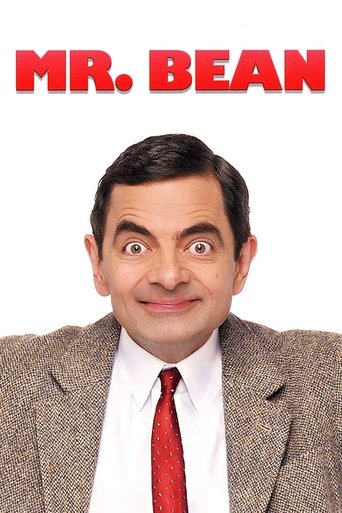 HD
HD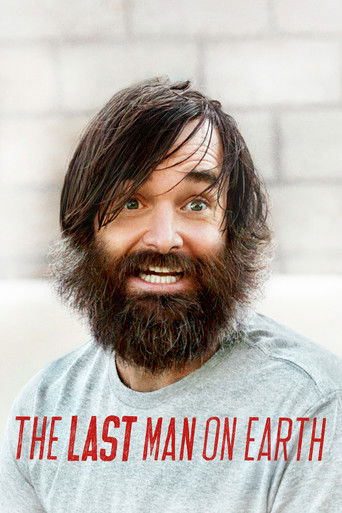 HD
HD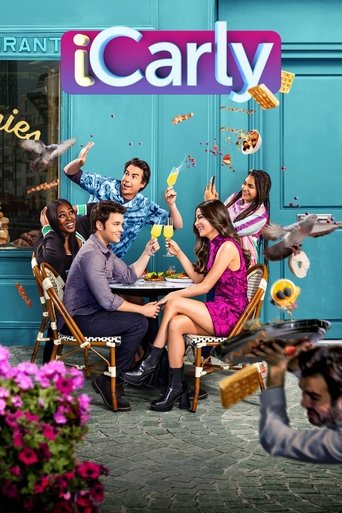 HD
HD HD
HD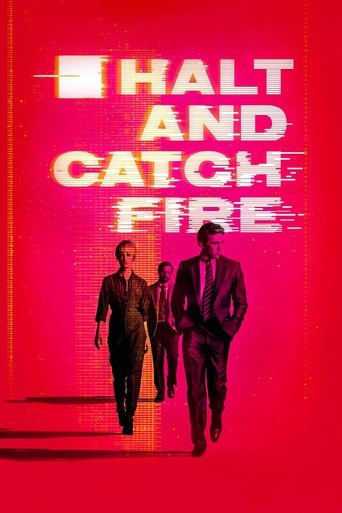 HD
HD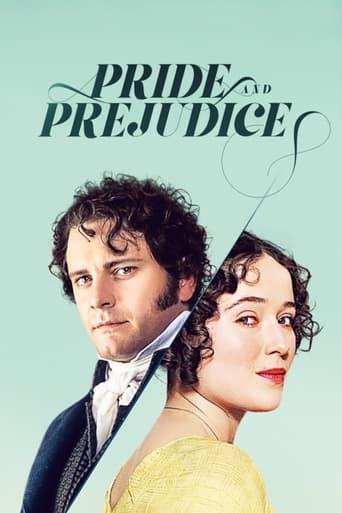 HD
HD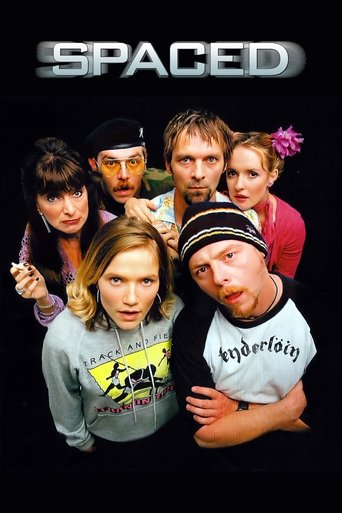 HD
HD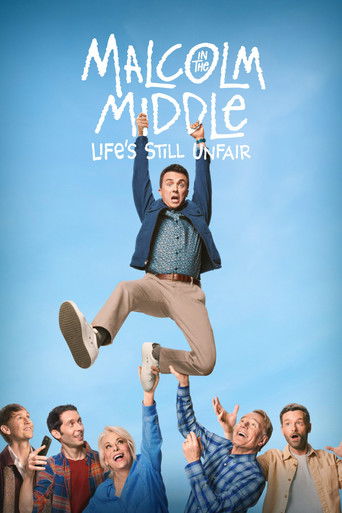 HD
HD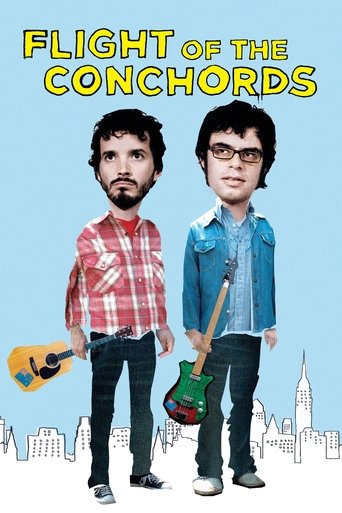 HD
HD HD
HD HD
HD HD
HD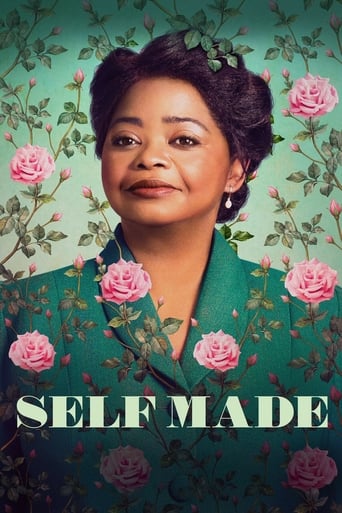 HD
HD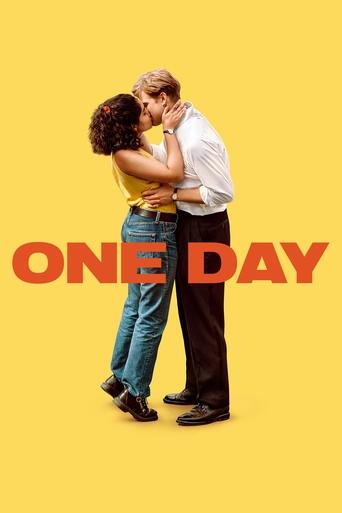 HD
HD HD
HD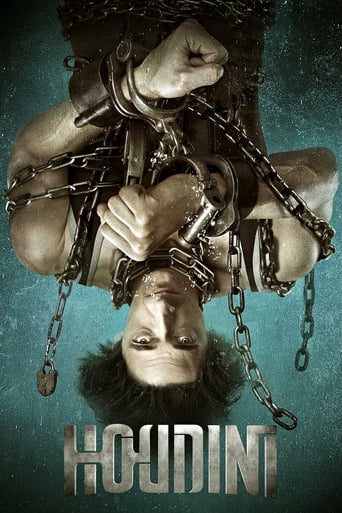 HD
HDLatest TV Shows
View all ›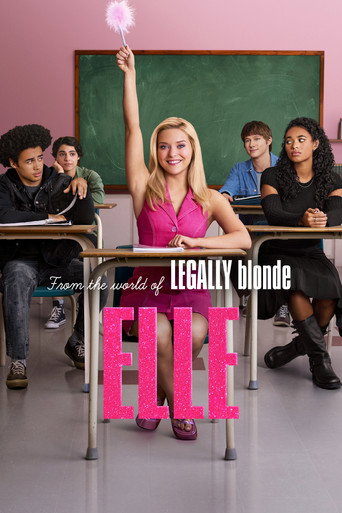 HD
HD HD
HD HD
HD HD
HD HD
HD HD
HD HD
HD HD
HD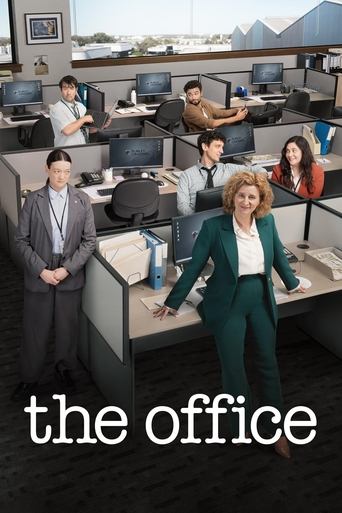 HD
HD HD
HD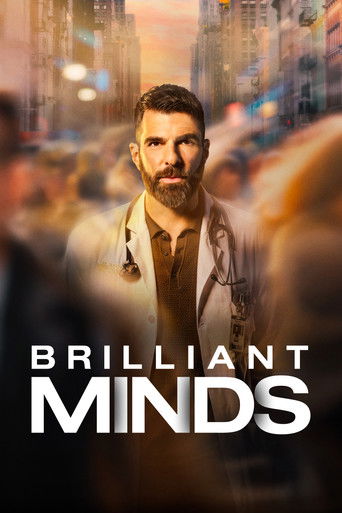 HD
HD HD
HD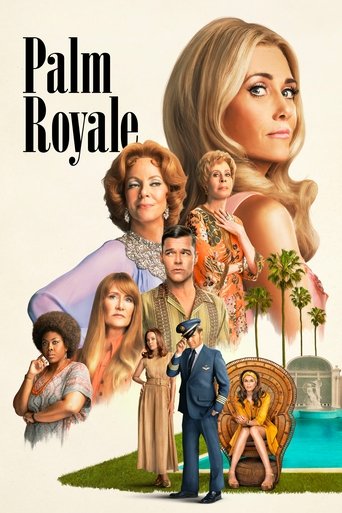 HD
HD HD
HD HD
HD HD
HDBritish comedy and drama
View all ›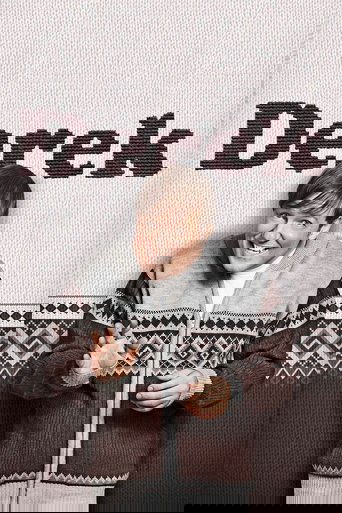 HD
HD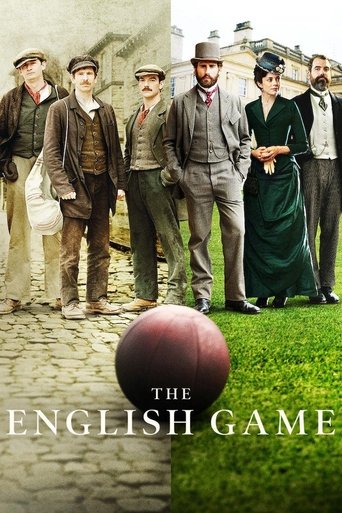 HD
HD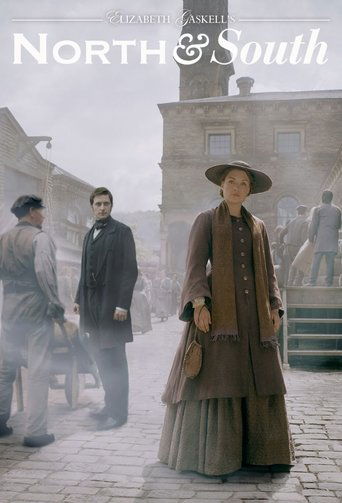 HD
HD HD
HD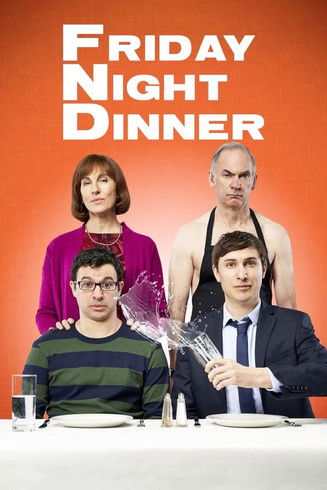 HD
HD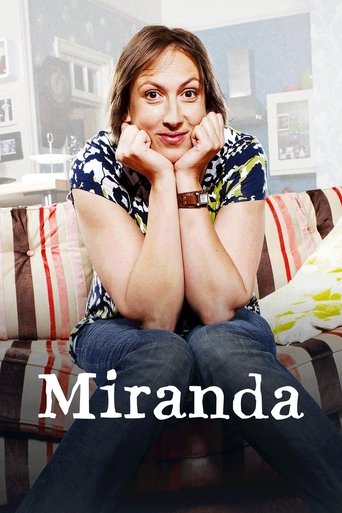 HD
HD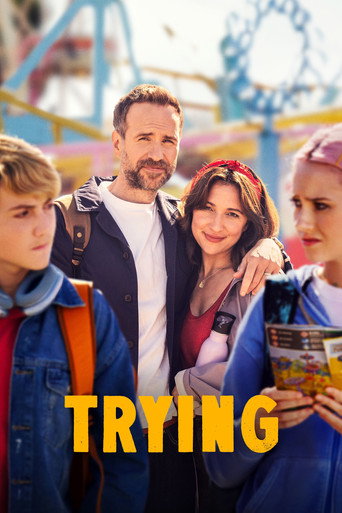 HD
HD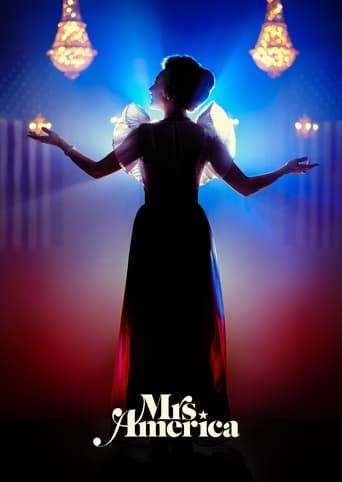 HD
HDFamily viewing
View all › HD
HD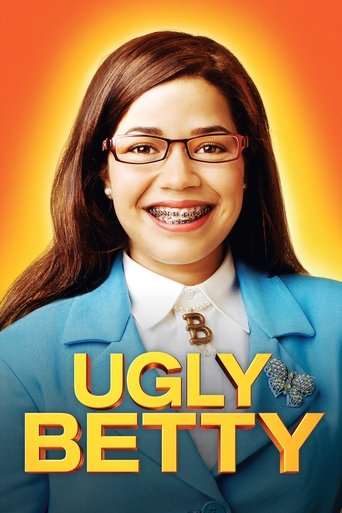 HD
HD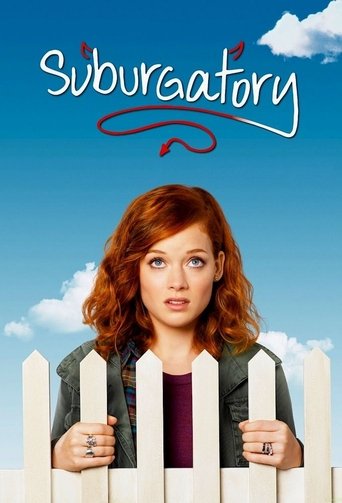 HD
HD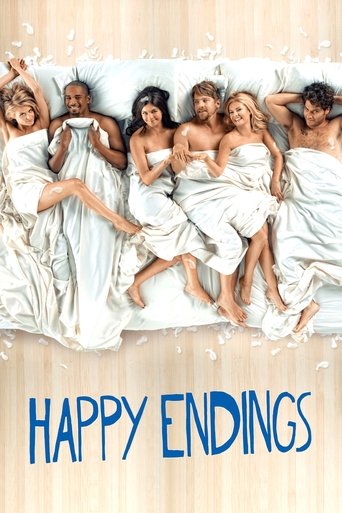 HD
HD HD
HD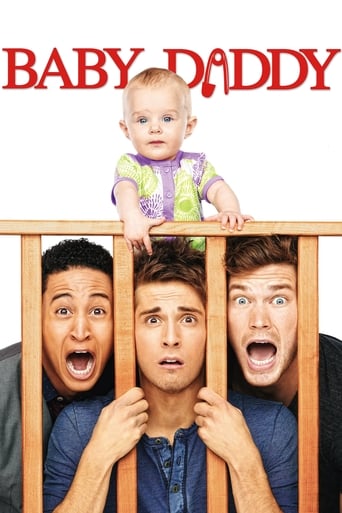 HD
HD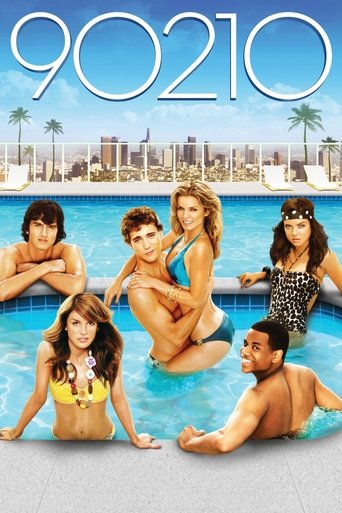 HD
HD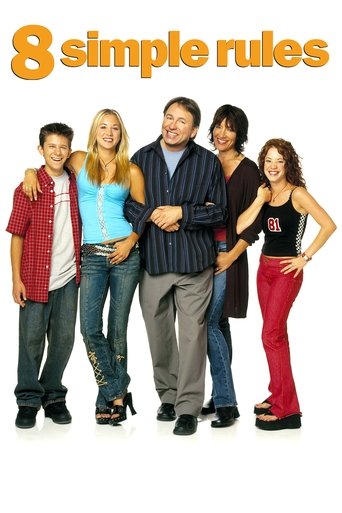 HD
HDShort series
View all › HD
HD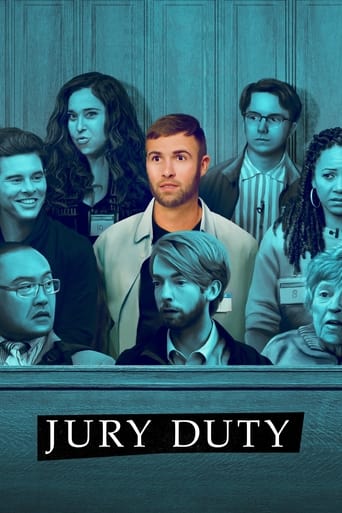 HD
HD HD
HD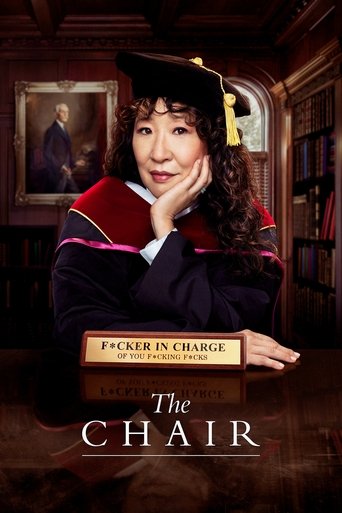 HD
HD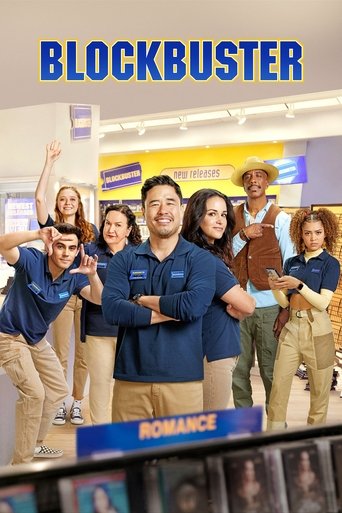 HD
HD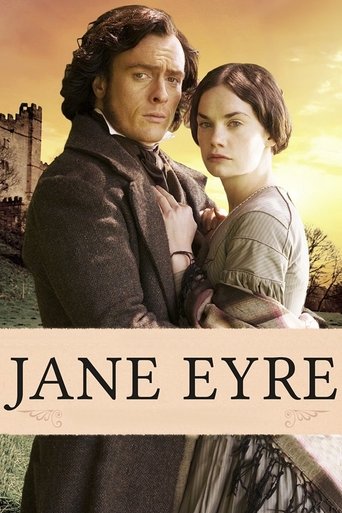 HD
HD HD
HD HD
HDEnglish-language television for the whole household: the AttackerTV guide
AttackerTV: English-language television, from Mr. Bean, Detectorists and Kim's Convenience to The Newsroom, Parenthood, Fresh Off the Boat and Pride and Prejudice
Television is the art form that keeps us company. A film asks for two hours; a good series asks for a place in the week, and gives back a set of people who come to feel like neighbours. The English-speaking countries have been making such series for seventy years, and the best of them, the sitcom that a family quotes at dinner or the drama that a household follows for six seasons, are among the real pleasures of modern life. AttackerTV is a guide to 192 English-language series made between 1980 and 2026 in the United States, Britain, Ireland, Canada and Australia. Each has its own page, with its story, its seasons and episodes, its cast, and a Watch now button that leads to the official services carrying it in your country.
The catalogue has been chosen for the whole household. Every series was read through by hand, and the selection favours sitcoms, family dramas, workplace comedies, stories of school, gentle British comedy and adaptations of classic novels. Crime series, horror, stories of the battlefield, reality programmes and comedies made strictly for adults were left out. What remains is the kind of television that can be put on in a room where three generations are sitting: funny, humane, and well made.
This guide explains how the collection is arranged, walks through each list in turn, picks out the series most worth an evening, and ends with a plan for a first month and a short set of questions and answers. Every series named here has a page on AttackerTV, and a click on its title opens that page.
The shape of the collection
Of the 192 series, 148 were made wholly or partly in the United States, 46 in Britain and Ireland, and 16 in Canada, Australia and New Zealand; a few co-productions are counted in more than one place. Comedy is the largest list, with 138 titles, and Drama follows with 90; many series, as in life, are both. Eighty-seven are listed under Family, 62 under Workplace, 36 under School and 35 under Period drama.
The collection spans five decades. Seventeen series began before 2000, 28 between 2000 and 2009, 40 between 2010 and 2014, 47 between 2015 and 2019, and 60 since 2020. That balance is deliberate. The streaming years have produced a great deal of very good television in short seasons, and those series sit here beside the long network comedies of a hundred episodes that once filled an evening schedule.
Length is worth a word, because it changes how a series is best watched. An American network sitcom of the old kind made twenty-two episodes a year and can be dipped into at any point. A British comedy typically made six episodes a year, written by one or two people, and is best watched in order. A modern limited series tells one story in six or eight parts and then stops. The page for every series on AttackerTV shows its seasons and episodes, each poster on the home page carries a small label with the same figures, and a list called Short series gathers the 43 titles of ten episodes or fewer for viewers who want to see something through in a weekend.
The home page is arranged in the plain, bright manner of the site: a yellow header with the menu and the search box, and beneath it rows of posters under large headings. Trending shows the series most watched; Latest TV Shows the newest; and three further rows pick out British comedy and drama, family viewing and short series. The menu leads to the lists for Comedy, Drama, British television and Top rated, and to the A to Z index.
The American sitcom
The sitcom is America's great gift to television, and the form has changed less than one might think since the days of the studio audience. A family or a group of friends, a kitchen or a living room, a problem that is raised and settled in twenty-two minutes: the pleasures are the pleasures of company. The oldest example here is Bosom Buddies, from 1980, which gave a young Tom Hanks his first leading role. Silver Spoons and Mr. Belvedere are two of the best remembered family comedies of that decade, the first about a boy who goes to live with his toy-loving millionaire father, the second about an English butler in a Pittsburgh household.
NewsRadio, from 1995, is one of the finest ensemble comedies ever made. It is set in the office of a New York news radio station, with Dave Foley as the mild young news director, Phil Hartman as the pompous anchor and Stephen Root as the eccentric owner, and its jokes move at a speed that rewards a second viewing. Sports Night, written by Aaron Sorkin before his more famous dramas, goes behind the scenes of a late-night sports programme and mixes comedy with real feeling; Studio 60 on the Sunset Strip, by the same writer, does the same for a sketch show. The Larry Sanders Show invented a whole style, the mock backstage comedy filmed with the laugh track removed, and almost every comedy about television since has learned from it. It was written for adult viewers of its day and has some strong language, so it suits the grown-ups in the house.
The family sitcom renewed itself in the 2000s and 2010s. The Bernie Mac Show has a comedian suddenly raising his sister's three children and telling the camera exactly what he thinks about it. 8 Simple Rules and Still Standing are about parents of teenagers. Fresh Off the Boat, set in the 1990s, follows a Taiwanese-American family who move from Washington to Orlando to open a steakhouse, and is seen through the eyes of the eldest son, a boy of eleven who loves hip-hop; it ran for six seasons and made a star of Constance Wu as the formidable mother. Speechless is about a family whose eldest son has cerebral palsy and a sharp sense of humour, and it is as funny as it is unsentimental. American Housewife, Life in Pieces, which tells four short stories about one extended family in each episode, Man with a Plan, Kevin Can Wait and The Upshaws continue the line.
Friends and flatmates have their own shelf. Happy Endings is the cult favourite: six friends in Chicago, one of whom has just left another at the altar, and a rate of jokes per minute that few comedies have matched. Rules of Engagement compares a long-married couple, a newly engaged one and a contented bachelor across seven seasons. Baby Daddy hands a baby to a young bartender and his two flatmates, Young & Hungry puts a food blogger to work as a personal chef, and What I Like About You sends a lively teenager to live with her careful elder sister in New York.
Some of the best American comedies are harder to classify. Better Off Ted is a brilliant satire set in the research department of a huge and cheerfully unscrupulous company, where the hero must explain to his small daughter what he does all day. The Last Man on Earth begins with one man alone in an empty America, painting messages on billboards, and becomes a comedy about how hard it is to live with other people once they turn up. Suburgatory moves a Manhattan teenager to a suburb of alarming perfection. The Grinder casts Rob Lowe as an actor who has played a lawyer on television for so long that he believes he can join the family firm. The Neighbors puts a human family in a gated community of friendly aliens, and Samantha Who? gives Christina Applegate a second chance at life after an accident wipes her memory.
The latest arrivals include Mo, drawn from the life of the comedian Mo Amer, a Palestinian refugee raised in Houston; Jury Duty, in which one unsuspecting man serves on a jury where everyone else is an actor, and behaves so decently that the series becomes a tribute to him; Acapulco, a sunny bilingual comedy about a young man who lands a dream job at a resort hotel in 1984; Night Court and Frasier, two new chapters of much loved classics; and Shifting Gears, with Tim Allen as the owner of a workshop for classic cars whose daughter and grandchildren move back in.
British comedy
Forty-six series come from Britain and Ireland, and comedy is their glory. Mr. Bean needs the least introduction of any programme in the catalogue. Rowan Atkinson's almost wordless creation, a grown man with the mind of a mischievous nine-year-old, a tiny green car and a teddy bear, appeared in only fourteen half-hour episodes between 1990 and 1995, and they have been shown in nearly every country on earth. Because the humour is visual, it is the perfect series for a household where several languages are spoken or where the youngest viewers are still learning to read.
Jeeves and Wooster is British comedy at its most elegant. Hugh Laurie plays Bertie Wooster, a kindly and foolish young gentleman of the 1930s, and Stephen Fry his valet Jeeves, who rescues him from unwanted engagements, fierce aunts and his own bright ideas. The stories are by P. G. Wodehouse, the settings are country houses and London clubs, and the pair had already shown their gifts in the sketch show A Bit of Fry & Laurie, which is here too. French & Saunders, The Fast Show and That Mitchell and Webb Look carry the sketch tradition through three decades.
The domestic comedy is a British speciality. The Royle Family hardly leaves one sofa in a Manchester living room, where a family sits in front of the television and talks; it sounds like very little and is one of the most loved comedies ever made in Britain. My Family ran for eleven series about a grumpy dentist, his wife and their three children. Friday Night Dinner returns each week to the same suburban house, where two grown sons come home for the family meal and matters go wrong in a slightly different way. Gavin & Stacey is the love story of a boy from Essex and a girl from South Wales, and still more the story of their two families and their best friends, played by the writers James Corden and Ruth Jones. Miranda is a joyful, old-fashioned farce in which Miranda Hart, six feet tall and endlessly clumsy, runs a joke shop, falls over, and talks to the audience as to a friend.
Then there are the quiet ones. Detectorists, written and directed by Mackenzie Crook, is about two friends in rural Essex who spend their free days walking ploughed fields with metal detectors, hoping for Saxon gold and finding ring pulls. It is a comedy about friendship, patience and the English landscape, and many viewers count it among the most beautiful series of its decade. The Trip sends Steve Coogan and Rob Brydon, playing versions of themselves, around the restaurants of the north of England, competing over lunch to do the better impression. Derek, by Ricky Gervais, is set in a care home and is kinder than his other work. This Country is a mock documentary about two cousins with little to do in a Cotswold village, and Stath Lets Flats a comedy about the least capable letting agent in London.
The workplace has produced W1A, a pin-sharp satire in which the BBC laughs at its own meetings; Phoenix Nights, set in a working men's club in Bolton; Peter Kay's Car Share, which takes place almost entirely in one small car on the way to and from a supermarket; and Staged, made during the months when theatres were closed, with David Tennant and Michael Sheen rehearsing a play by video call and squabbling magnificently. Spaced, from 1999, is the flat-share comedy that launched Simon Pegg and the director Edgar Wright, full of affectionate jokes about films. Upstart Crow imagines William Shakespeare as a harassed commuter between Stratford and London, and Moone Boy, from Ireland, gives a twelve-year-old in a small western town an imaginary friend played by Chris O'Dowd.
From Scotland comes Still Game, the highest rated series in the whole catalogue: two pensioners in a Glasgow tower block, their neighbours, their local, and nine series of superbly written mischief. And Motherland and Trying bring the tradition up to date, the first about the daily scramble of the school gate, the second a warm comedy about a London couple who set out to adopt.
Drama
The Drama list has 90 series, chosen to be absorbing and humane. Parenthood is the one to begin with. Across six seasons it follows the Bravermans of Berkeley, California: two grandparents, their four grown children, and the partners and children of those four. One grandson is found to be on the autism spectrum; a daughter comes home with two teenagers after a failed marriage; a brother discovers a son he had been unaware of. The writing gives every member of the family their due, the cast talk over one another as real families do, and few series have left their audience so fond of so many people.
The Newsroom is Aaron Sorkin's portrait of a cable news programme whose anchor and producer resolve to report the news properly; each episode is built around a real event of 2010 to 2013. The talk is fast, idealistic and often very funny. Halt and Catch Fire tells the story of the personal computer and the early internet through four fictional pioneers in Texas and California, and grew, season by season, into one of the most admired dramas of its time, a series about partnership and what it costs to make something new. Pan Am recreates the glamour of air travel in 1963.
Family drama for younger viewers is well represented. Switched at Birth begins when two teenage girls learn that they went home from hospital with the wrong families; one of them is deaf, and the series, which includes many scenes played entirely in sign language, did a great deal to bring deaf actors and deaf culture to television. Life Unexpected sends a girl of fifteen in search of the parents who gave her up. Lincoln Heights follows a police officer who moves his family back to the neighbourhood where he grew up, and Firefly Lane the friendship of two women from the age of fourteen to their forties.
Medicine and law supply some steady companions. Code Black is set in the busiest emergency department in Los Angeles. Brilliant Minds is inspired by the case histories of the neurologist Oliver Sacks. Pure Genius imagines a hospital run by a young technology millionaire, and Doogie Howser, M.D., from 1989, is the famous comedy-drama of a doctor aged sixteen. Harry's Law gives Kathy Bates a law office in a former shoe shop. For the People, Fairly Legal, Partner Track and Suits LA are about young lawyers, and The Split about a family of divorce lawyers in London who are rather better at other people's marriages than at their own.
True stories have become a strength of the short series. Mr Bates vs The Post Office is the outstanding example. It dramatises the long campaign of a group of British sub-postmasters who were wrongly held responsible for shortfalls created by a faulty computer system, and its broadcast in 2024 moved the public and the government as few dramas ever have. Genius devotes each season to one great life, beginning with Albert Einstein. Self Made: Inspired by the Life of Madam C.J. Walker tells of the washerwoman who built a business empire. Julia is a delicious account of how Julia Child brought French cooking to American television. Mrs. America, The First Lady and The Kennedys look at public life, Colin in Black and White at the boyhood of a famous quarterback, and Good Girls Revolt at the young women researchers of a news magazine in 1969.
Among the newest dramas, Sullivan's Crossing takes a Boston surgeon home to her father's campground in Nova Scotia; Every Year After, Elle and Finding Her Edge are recent arrivals with high scores from viewers; and Little America tells, in separate half-hour stories, the true experiences of people who came to the United States from every part of the world.
Family viewing
Eighty-seven series are listed under Family, and the list mixes comedies and dramas about households of every shape. Single Parents gathers five mothers and fathers who are raising children alone and have made a family of each other. Trophy Wife, a far kinder series than its title suggests, is about a young woman who marries a man with three children and two former wives, all of whom remain cheerfully present. About a Boy, from the novel by Nick Hornby, pairs a carefree bachelor with the earnest eleven-year-old who moves in next door. Grandfathered makes a restaurant owner a father and a grandfather on the same afternoon, and Up All Night follows two new parents trying to stay themselves.
The Real O'Neals, mixed-ish, which looks back at a childhood in the 1980s, Dr. Ken, Fam and Marlon are network comedies of the last decade about parents, children and the grandparents who will insist on helping. The Michael J. Fox Show drew on its star's own life: a much loved newsreader returns to work some years after a diagnosis of Parkinson's disease, to the relief of a family who have had him at home quite long enough. The Odd Couple puts a tidy man and an untidy one in the same flat for a new generation, and The Exes three divorced men across the hall from their lawyer.
For drama, Parenthood leads, with Switched at Birth, Life Unexpected and Lincoln Heights close behind. Ed deserves rediscovery: a New York lawyer loses his job and his marriage on the same day, goes home to the small town of Stuckeyville, buys the bowling alley and sets up a law practice inside it. Its four seasons are among the most good-natured hours American television has produced. Bless This Mess sends a newly married couple from the city to a farm in Nebraska that needs rather more work than they were told.
Writers and performers to follow
Television belongs to its writers, and following a favourite from one series to the next is a good way through the catalogue. Aaron Sorkin's three series about people who make television, Sports Night, Studio 60 on the Sunset Strip and The Newsroom, show a single voice across fifteen years: quick, idealistic, in love with competence. Amy Sherman-Palladino's Bunheads is a small jewel between her larger works. Tina Fey and Robert Carlock stand behind both Great News and Mr. Mayor, and their rate of jokes is unmistakable. Mindy Kaling wrote and starred in The Mindy Project, a romantic comedy about a doctor who has seen too many romantic comedies, and went on to create Running Point.
In Britain, Stephen Fry and Hugh Laurie can be watched as sketch performers and as Jeeves and Wooster; David Mitchell appears in That Mitchell and Webb Look and as Shakespeare in Upstart Crow; and Mackenzie Crook, once known as an actor, proved with Detectorists to be one of the finest writer-directors of his generation. Rowan Atkinson's Mr. Bean was written with Richard Curtis, who later wrote some of the best loved British film comedies. Christopher Guest, the master of the improvised mock documentary, made Family Tree with Chris O'Dowd, who also wrote Moone Boy from memories of his own childhood in County Roscommon.
Among performers, Robin Williams, Michael J. Fox, Tim Allen, Kathy Bates, Sandra Oh and Bob Odenkirk each lead a series here, and several of today's film stars can be seen at the start of their careers: Tom Hanks in Bosom Buddies, Shia LaBeouf in Even Stevens, and half the comic actors of the 2000s in Undeclared.
Watching with children
The whole catalogue was chosen with a mixed household in mind, but series differ in the age they suit, and a few notes may help. For children under ten, Mr. Bean, Even Stevens, Game Shakers, Knight Squad and Silver Spoons are safe and funny. From about ten upwards, the family sitcoms come into their own, with Fresh Off the Boat, Speechless, Kim's Convenience, Corner Gas and Life in Pieces among the best, and The English Game is a fine choice for young football supporters.
Teenagers will find their own favourites in the School list and in Switched at Birth, Swagger and Make It or Break It. Some series were written chiefly for adults and are included because they are thoughtful and free of cruelty: The Newsroom, Halt and Catch Fire, The Larry Sanders Show, One Day and The Split have grown-up themes and occasional strong language, and are best kept for older teenagers and adults. The official services listed by JustWatch show an age rating for every series, and it is always worth a glance before the first episode.
Period drama
Thirty-five series are listed under Period drama, and for many viewers this list alone will justify the visit. Pride and Prejudice, the BBC production of 1995, is the standard by which all adaptations of classic novels are judged. In six episodes Andrew Davies gave Jane Austen's story room to breathe; Jennifer Ehle's Elizabeth Bennet is quick, warm and amused, and Colin Firth's Mr Darcy became the most famous romantic hero in the history of British television. It has been shown and shown again for thirty years and has lost nothing.
North & South, made in 2004 from the novel by Elizabeth Gaskell, is its northern cousin and has an equally devoted following. Margaret Hale, a clergyman's daughter from the gentle south, is moved to a cotton town in the industrial north and clashes with a stern young mill owner, played by Richard Armitage. The series is as interested in work, strikes and poverty as in love, and is the better for it. Jane Eyre, from 2006, with Ruth Wilson and Toby Stephens, is widely thought the best screen version of Charlotte Brontë's novel.
The Paradise is set in the first department store in a northern English city in the 1870s, where a country girl with a gift for selling rises through the ranks. The Buccaneers, from the unfinished novel by Edith Wharton, sends five lively American heiresses to the London season of the same decade. Jamestown follows three women who sail to the Virginia colony in 1619. The English Game, written by Julian Fellowes, tells how football passed in the 1880s from the gentlemen of the public schools to the mill workers of Lancashire, and is a fine short series for any household that loves the sport.
The twentieth century has its dramas too. Two separate series named Titanic, one of 1996 and one of 2012, tell the story of the great liner through invented passengers in every class of the ship. Klondike goes to the gold rush of the 1890s, and Houdini to the life of the great escape artist. Funny Woman follows a beauty queen from Blackpool who becomes a television comedy star in the London of the 1960s, Hello Tomorrow! imagines a cheerful future as the 1950s pictured it, and Palm Royale is a bright comedy of social climbing in Florida in 1969. Grease: Rise of the Pink Ladies returns to the high school of the famous musical, four years before the events of the film.
Workplace
Sixty-two series are set where people earn their living, and the workplace is where comedy and drama most often meet. The newsroom and the studio have been mentioned. Great News puts a young producer's mother to work beside her as an intern. Mr. Mayor elects a retired businessman to run Los Angeles. The Crazy Ones was the last series of Robin Williams, who plays the head of an advertising agency with his careful daughter as partner. Superior Donuts is set in a doughnut shop in a changing Chicago neighbourhood, and Blockbuster in the last surviving branch of the video rental chain.
Ugly Betty is the workplace series as fairy tale. Betty Suarez, clever, kind and gloriously unfashionable, is hired as assistant to the editor of a New York fashion magazine precisely because she seems so out of place, and proceeds to become its conscience. America Ferrera won every major award for the part, and the series is a riot of colour and plot. Girlboss and Katy Keene also move through the world of fashion, and Smash follows the making of a Broadway musical from first song to opening night, with new numbers in every episode.
Canada has given the form two of its best loved examples. Corner Gas takes place at the only petrol station for sixty kilometres on the Saskatchewan prairie, in a town where very little happens and everyone has an opinion about it; it ran for six seasons and is a national institution. Kim's Convenience is set in a corner shop in Toronto run by a Korean-Canadian couple with two grown children, a daughter at art college and a son who left home after a quarrel with his father. It is funny, affectionate and exact about family pride, and it found a large audience around the world. The Office of 2024 is the Australian version of the famous comedy, with a woman as the manager for the first time, and Hotel Babylon goes behind the reception desk of a grand London hotel.
School and growing up
Thirty-six series are about school and the years around it. For the youngest viewers there are the comedies made by the children's channels. Even Stevens follows a mischievous younger brother and his perfectionist sister through middle school, and was the first leading role of Shia LaBeouf. Game Shakers is about two twelve-year-olds in Brooklyn who start a company making video games. Knight Squad is set at a school for knights in a comic fantasy kingdom, Ashley Garcia: Genius in Love follows a robotics engineer of fifteen who goes to work for the space agency, and iCarly catches up with the heroine of a famous web-show comedy now that she and her friends are in their twenties.
The teenage comedy-drama has some real treasures. Everything Sucks! is set in a small Oregon town in 1996, where the audio-visual club and the drama club join forces to make a film; it is tender about first love and perfect in its period detail. Undeclared, created by Judd Apatow, spends a first year at university with six new students in one corridor, and launched several well-known actors. 10 Things I Hate About You and Clueless carry two much loved teenage films into series form, and Saved by the Bell revisits the most famous school corridor of the early 1990s with a new class. Schooled is a comedy of the teachers' room in the same decade, and Mr. Iglesias has the comedian Gabriel Iglesias as a history teacher who fights for his brightest and most overlooked pupils.
Greenhouse Academy sends a brother and sister to a boarding school for future leaders, where a mystery unfolds across four seasons. Surviving Summer, from Australia, takes a rebellious teenager from Brooklyn to a small town on the Victorian coast and to the junior surfing circuit. The Carrie Diaries imagines the school days of a famous fictional New Yorker in 1984. 90210 and Switched at Birth are the long-running dramas of the list, and All American: Homecoming follows a tennis player and a baseball player through their first years at a historically Black university in Atlanta.
Sport and dance
Nineteen series turn on sport or dance. Swagger, inspired by the youth of the basketball star Kevin Durant, follows a gifted fourteen-year-old, his mother and his coach through the world of junior basketball around Washington. Pitch imagines the first woman to play in the major leagues of baseball, and is one of the best single-season series in the catalogue. Make It or Break It is set among four young gymnasts training for the Olympics in Colorado, and Spinning Out among figure skaters. Running Point is a new comedy in which a sister is unexpectedly handed the family's professional basketball team, and The Crew is set in the garage of a stock-car racing team.
Dance has three series. Bunheads, created by Amy Sherman-Palladino, takes a Las Vegas showgirl to a sleepy coastal town where she finds herself teaching at her mother-in-law's ballet school; the talk is as quick and witty as in the same writer's more famous work, and the young dancers are superb. Step Up continues the film series at an arts school in Atlanta, and Hellcats follows a law student who joins a competitive cheerleading squad to keep her scholarship.
Romance
Forty-eight series are listed under Romance. One Day, from the novel by David Nicholls, visits the same two people on the same date each year for twenty years, from the night of their graduation in Edinburgh in 1988; fourteen short episodes, two wonderful leading performances, and an ending that viewers will want to be ready for. Modern Love dramatises true stories from a celebrated newspaper column, each in half an hour and each with a different cast. From Scratch is the true story of an American student who falls in love with a Sicilian chef in Florence, and of the two families they bring together; it is a warm and finally very moving series.
Last Tango in Halifax begins when a widow and a widower in their seventies, who were fond of each other at school sixty years earlier, find one another again and announce to their astonished daughters that they are engaged. Derek Jacobi and Anne Reid are a delight, and the Yorkshire landscape is a character in itself. The Baker and the Beauty pairs a young man from a family bakery in Miami with an international star. The Flatshare has two strangers sharing one bed at different hours of the day and getting to know each other through notes. A to Z, Ben and Kate and Welcome to Sweden, in which an American accountant follows his girlfriend home to Stockholm, are lighter still.
Short series for a weekend
The list of Short series holds 43 titles of ten episodes or fewer, and it is the place to look when there is a free weekend and a wish to see a whole story. The period dramas already described are here: Pride and Prejudice in six parts, North & South and Jane Eyre in four each. So are the true stories, with Mr Bates vs The Post Office in four parts and Self Made: Inspired by the Life of Madam C.J. Walker in four.
Among the comedies, The Chair gives Sandra Oh the job of running a struggling English department at an American university, in six brisk episodes. Jury Duty runs to eight. Reboot is about the cast of an old family sitcom brought back together fifteen years on. The Franchise goes behind the scenes of a superhero film in production, Douglas Is Cancelled follows a television presenter through a very modern storm, and Lucky Hank has Bob Odenkirk as the weary chairman of a college English department. Family Tree, by Christopher Guest, sends a young Londoner in search of his ancestors after he inherits a box of odd objects. Malcolm in the Middle: Life's Still Unfair brings back one of the best loved families of American comedy for four new episodes, and Wonder Man is a light comedy about an actor who hopes to play a superhero.
Little Voice follows a young singer and songwriter in New York, with original songs by Sara Bareilles. The Flatshare, Pretty Smart and The Baker and the Beauty are single seasons that can be finished in a few evenings.
Canada, Australia and beyond
Sixteen series come from Canada, Australia and New Zealand, or were made with them. Kim's Convenience and Corner Gas lead the Canadian titles. North of North is a new comedy set in a small Inuit community in the Arctic, where a young mother decides to start her life again under the eyes of everyone she has ever known; it was filmed in Nunavut and has great charm. Sullivan's Crossing shows the coast of Nova Scotia at its most inviting. From Australia come Surviving Summer and the new version of The Office. Viewers who enjoy the differences between the English-speaking countries, the accents, the weather, the sense of humour, will find these series a refreshing change from Los Angeles and London.
One series looks in the other direction. Flight of the Conchords follows two musicians from New Zealand, a folk duo with large hopes and one devoted fan, as they try their luck in New York. Each episode contains two or three original songs in a different style, and the band's manager, who conducts his meetings in a corner of the consulate, is among the great comic creations of his decade. Welcome to Sweden and Acapulco play the same game of the outsider abroad.
Using AttackerTV
The site is deliberately simple. The yellow header carries the name on the left, then the menu, then the search box. The menu opens the full index of TV Shows, the lists for Comedy, Drama and British television, the Top rated list of 49 series, the A to Z index and My List. Type a title in the search box and matches appear as you type; the search also understands a request for a particular episode, such as a title followed by season 2 episode 3, and will take you to the series that has one.
Every series has a page of its own. At the top are the poster, the title, the years of broadcast, the genres and the number of seasons and episodes. Below come the story, the creators and the leading actors, and then a list of seasons with their episodes and air dates. The Watch now button sits beside the poster. Choose your country from the list, press the button, and JustWatch opens with the services that carry that series where you live: subscription services, shops for purchase by season or episode, and free services supported by advertising. Older network comedies are increasingly offered on the free services, so that column is worth a look first.
My List keeps the series you mean to watch. Press Add to My List on any series page, and the title is saved in your own browser; the My List link in the menu shows everything you have saved, and a button there stores the list as a small file that you can carry to another device. The list is private to you and asks for neither an account nor a password.
A first month
For a newcomer, here is one way to spend four weeks with the collection.
In the first week, laugh together. Watch three or four episodes of Mr. Bean with the whole household, and begin Kim's Convenience, whose episodes are short and whose family is easy to love.
In the second week, dress up. Pride and Prejudice takes six evenings, or one rainy weekend, and is as good as its reputation.
In the third week, try the quiet comedies. The first series of Detectorists is six half-hours long; follow it with a few episodes of NewsRadio or Better Off Ted to see how differently Britain and America go about being funny.
In the fourth week, start a long drama. The opening episodes of Parenthood introduce a family that can be lived with for six seasons, and Halt and Catch Fire rewards patience more than almost any series here. For a single evening with real weight, watch Mr Bates vs The Post Office.
After that the lists are yours to explore. Top rated holds the series with the highest scores from viewers, the year lists let you move from 1980 to the present, and Short series is always there for a free weekend.
How the series were chosen
Every title on AttackerTV was selected by a person and checked by hand. The starting point was the record of English-language scripted series held by TMDB with a poster, a still image, a written description and a reasonable number of ratings from viewers, which gave more than eight hundred candidates in comedy, family and drama. From that list we set aside crime and detective series, horror, stories of the battlefield, reality and talk programmes, daily serials, and comedies made for adult audiences. Series of more than 120 episodes were also left out, since they are better served by guides of their own. We then read the description of each remaining series, kept those that a household could watch together, and looked a second time at any that raised a doubt.
The result has a clear character: 138 comedies and 90 dramas, 87 family series, 62 set in the workplace, 48 love stories, 36 about school and 35 in period costume, with many titles counted under more than one heading. Each series appears on AttackerTV alone among our sites, so the catalogue is its own. Posters, cast lists, episode lists and descriptions come from TMDB, and the Watch now links are provided by JustWatch, which records where each series is officially available country by country.
Questions and answers
Questions
What is AttackerTV?
AttackerTV is a guide to 192 English-language television series made between 1980 and 2026 and chosen for the whole household. Each series page gives the story, seasons, episodes and cast, and a Watch now button that leads to the official services carrying the series in your country.
Which series should I watch first?
Start with Mr. Bean, Kim's Convenience or Pride and Prejudice. The first-month plan in the guide suggests an order.
Is the catalogue suitable for families?
Yes. Every series was screened by hand, and the selection keeps to sitcoms, family dramas, workplace comedy, school stories and period drama.
How many British series are there?
Forty-six, from A Bit of Fry and Laurie and Mr. Bean to Detectorists, Trying and Mr Bates vs The Post Office. The British link in the menu lists them all.
Where can I find something short?
The Short series list holds 43 titles of ten episodes or fewer, among them Pride and Prejudice, Jury Duty and The Chair.
Can I search for a particular episode?
Yes. Type the title followed by a season and episode, for example season 2 episode 3, and the search finds the series that has it.
How does My List work?
Press Add to My List on any series page. The list is kept by your own browser, free of charge, and the My List link in the menu opens it.
Does AttackerTV host episodes or downloads?
AttackerTV is a guide only. Every Watch now button leads to an official, licensed service.